
by Susan Cain
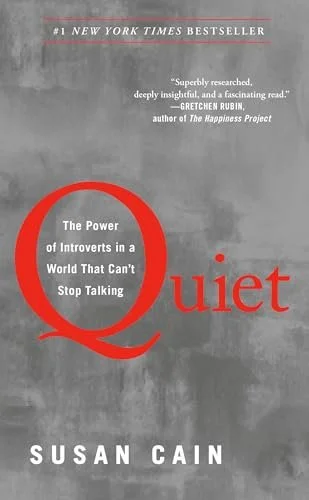
What it’s about
Cain argues that schools and workplaces are built for people who are outgoing and talkative, an expectation she calls the “Extrovert Ideal”. Yet somewhere between a third and a half of people are introverts, who tend to prefer calmer settings, think before they speak and recharge by spending time alone. Using psychology research and real stories, she shows what organisations lose when they treat this quieter nature as a weakness to be corrected.
The idea worth keeping
Being quiet says nothing about how capable you are. Cain describes research suggesting that introverted leaders often get better results from teams full of people with their own ideas, because they listen and let those ideas come forward instead of pushing their own.
Who it’s for
Anyone who has been told to “speak up more”, and anyone who manages people who have heard that.
Where it connects
Cain explains why quiet strengths are so often overlooked. QLA’s QUIET Framework, a step-by-step approach to leading in your own way, picks up where she leaves off by showing how to use those strengths on purpose. If this book speaks to you, What is a Quiet Leader anyway? is a good next read.